

The Science Behind Cylinder, Cube, and Freeform Tank Shapes
Aquarium design has evolved far beyond the traditional rectangular tank. Modern aquariums are now architectural features that integrate seamlessly into homes, offices, hotels, and public spaces. As designers push the boundaries of creativity, aquariums are increasingly being built in cylindrical, cubic, and freeform shapes.
While these designs create visually striking installations, the shape of an aquarium is not purely an aesthetic choice. Tank geometry directly affects water pressure distribution, circulation patterns, viewing experience, and structural engineering requirements.
Understanding the science behind aquarium shapes allows designers and engineers to create displays that are not only visually impressive but also stable, safe, and supportive of aquatic life.
Why Aquarium Shape Matters
The shape of an aquarium influences several key aspects of its design and performance. These include:
structural strength and pressure distribution
water flow and circulation patterns
viewing angles and visual impact
livestock behavior and swimming space
maintenance accessibility
Each shape offers unique advantages and challenges, which is why professional aquarium designers carefully evaluate the intended use of the tank before determining its final geometry.
Rectangular Aquariums: The Traditional Standard
Rectangular aquariums remain the most common design in both residential and commercial installations. This shape offers several practical advantages. The flat panels simplify manufacturing and installation, making rectangular aquariums easier to construct and maintain. The straight edges also allow filtration outlets and circulation pumps to create predictable water flow patterns throughout the tank.
From a viewing perspective, rectangular aquariums provide clear sightlines and are easy to integrate into walls, cabinetry, or room dividers. However, rectangular tanks can experience higher stress at the corners where panels meet. These joints must be carefully engineered to withstand the pressure exerted by the water column.
Cubic Aquariums: Balanced Proportions
Cube-shaped aquariums offer a unique balance between height, width, and depth. Their equal dimensions create a visually symmetrical display that can serve as a striking centerpiece within a room.
Because of their balanced proportions, cube aquariums provide ample viewing from multiple angles. They are often used as standalone installations where viewers can walk around the aquarium and observe the ecosystem from different perspectives.
However, the increased height relative to traditional tanks can introduce additional hydrostatic pressure on the panels, which requires careful material selection and structural reinforcement.
Cylindrical Aquariums: Engineering Through Curvature
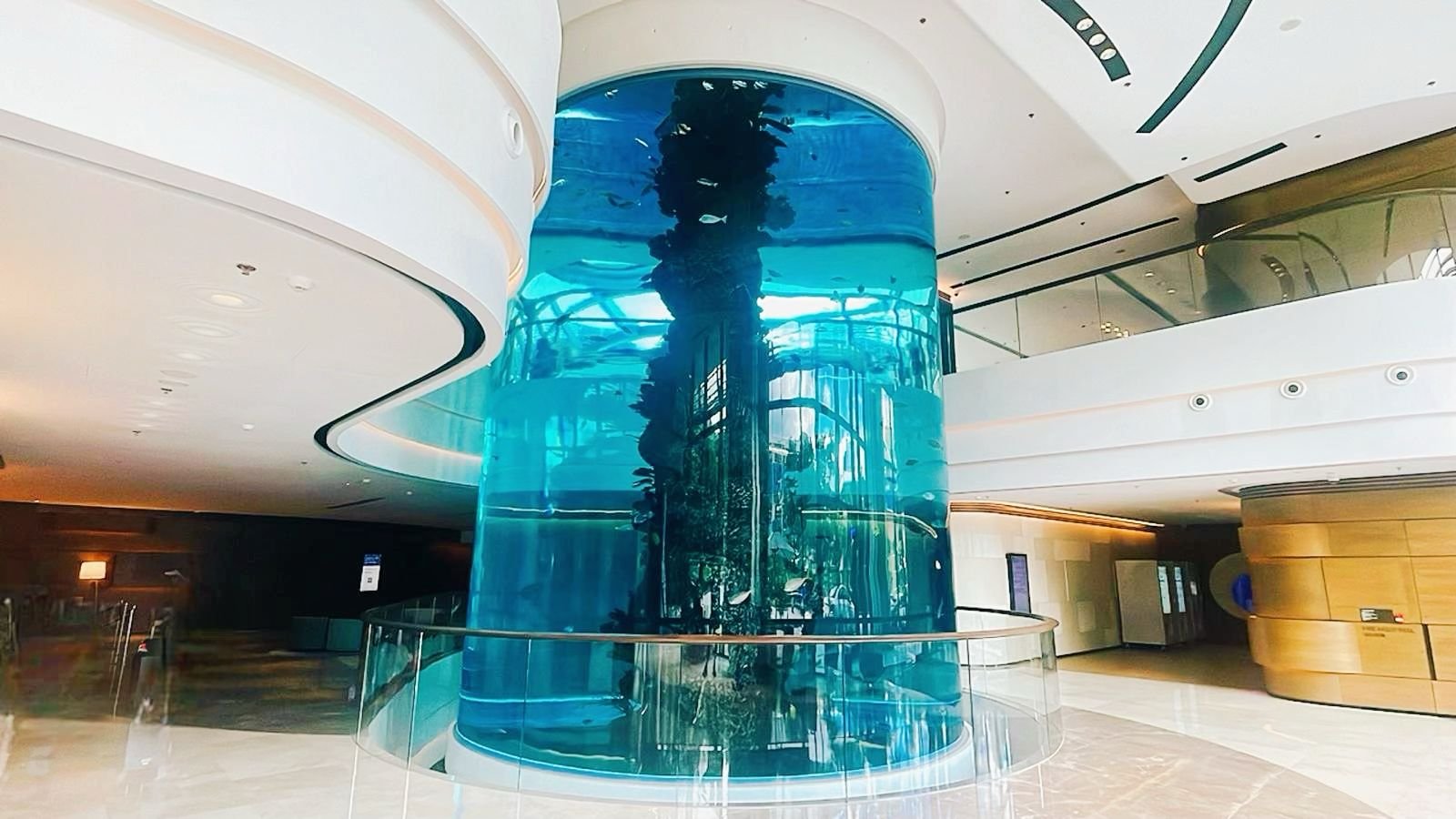
Cylindrical aquariums are among the most visually dramatic designs used in modern architecture. These aquariums often appear as towering columns in hotel lobbies, shopping centers, or corporate atriums.
The curved structure of a cylindrical aquarium distributes water pressure more evenly around the tank compared to flat-panel designs. Because the pressure is spread along a continuous curved surface, cylindrical aquariums can sometimes handle structural loads more efficiently.
However, manufacturing cylindrical tanks is significantly more complex than building flat-panel aquariums. Acrylic panels must be carefully molded and bonded to maintain structural integrity. Installation also requires specialized engineering to ensure the base support structure can handle the concentrated weight of the water column.
Freeform Aquariums: Pushing Design Boundaries
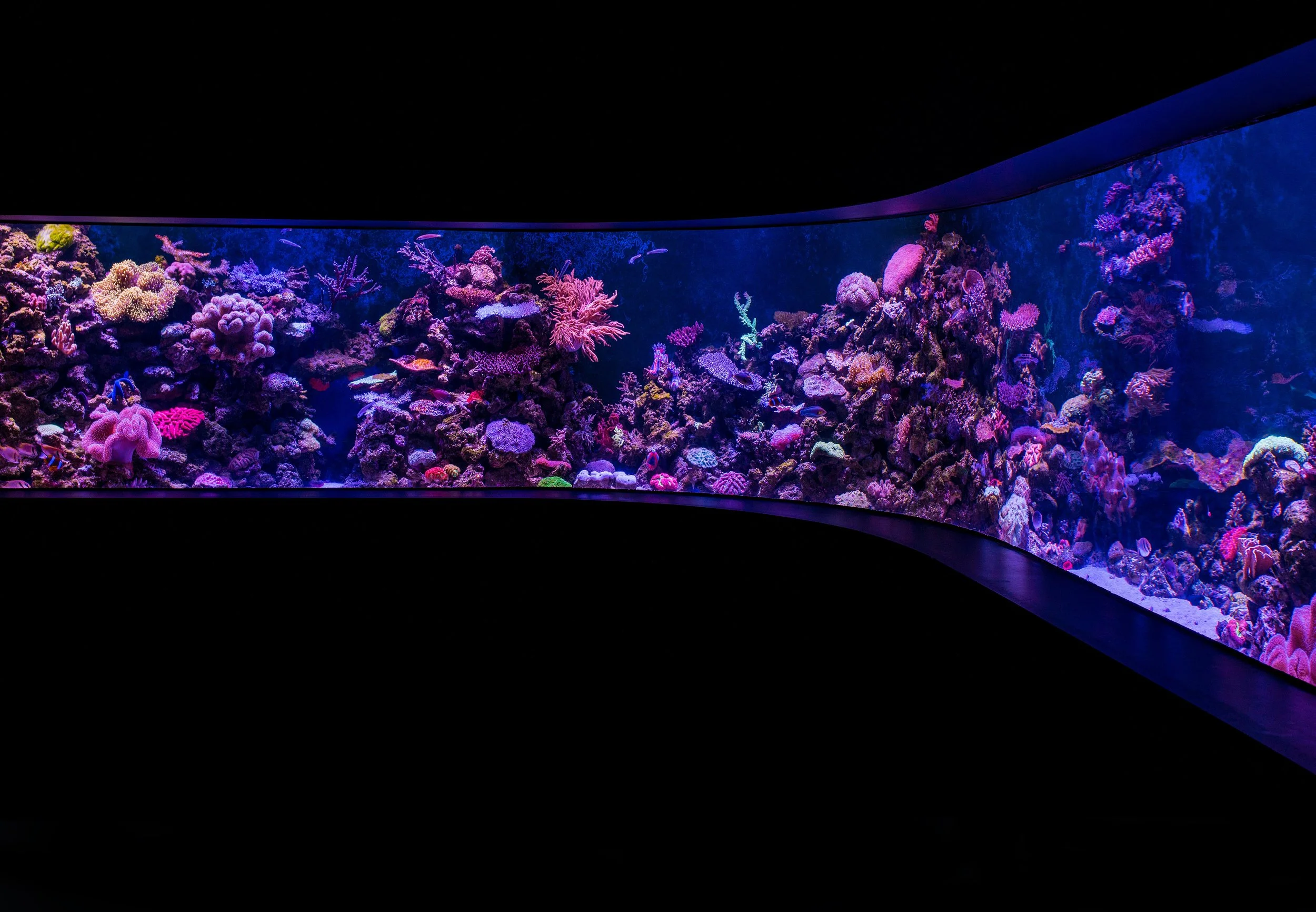
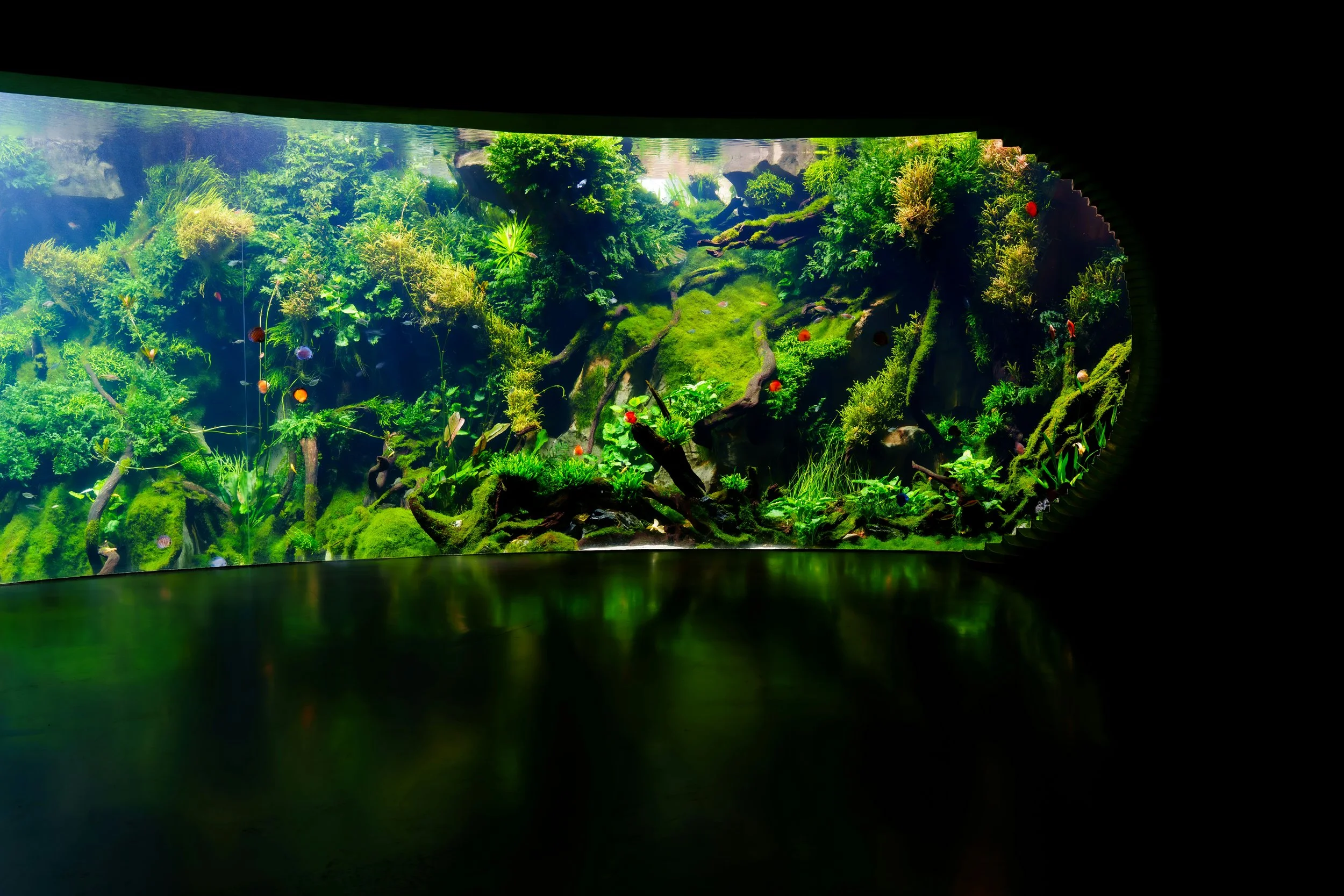
Freeform aquariums represent the most advanced level of custom aquarium design. These tanks can follow curved architectural walls, integrate into staircases, or form sculptural installations that blend seamlessly with the surrounding space.
Freeform aquariums are often created using acrylic due to its flexibility and ability to be molded into complex shapes. However, these designs present unique engineering challenges.
Irregular shapes can create unpredictable pressure distribution and water flow patterns. Designers must carefully analyze how the tank geometry affects structural loads and circulation within the aquarium. Advanced design techniques, including 3D modeling and structural analysis, are often used to ensure these installations remain safe and functional.
How Tank Shape Influences Water Flow
The geometry of an aquarium plays a major role in determining how water circulates within the system.
In rectangular aquariums, water flow typically moves in directional patterns from one end of the tank to the other. This allows filtration systems to efficiently collect debris and waste.
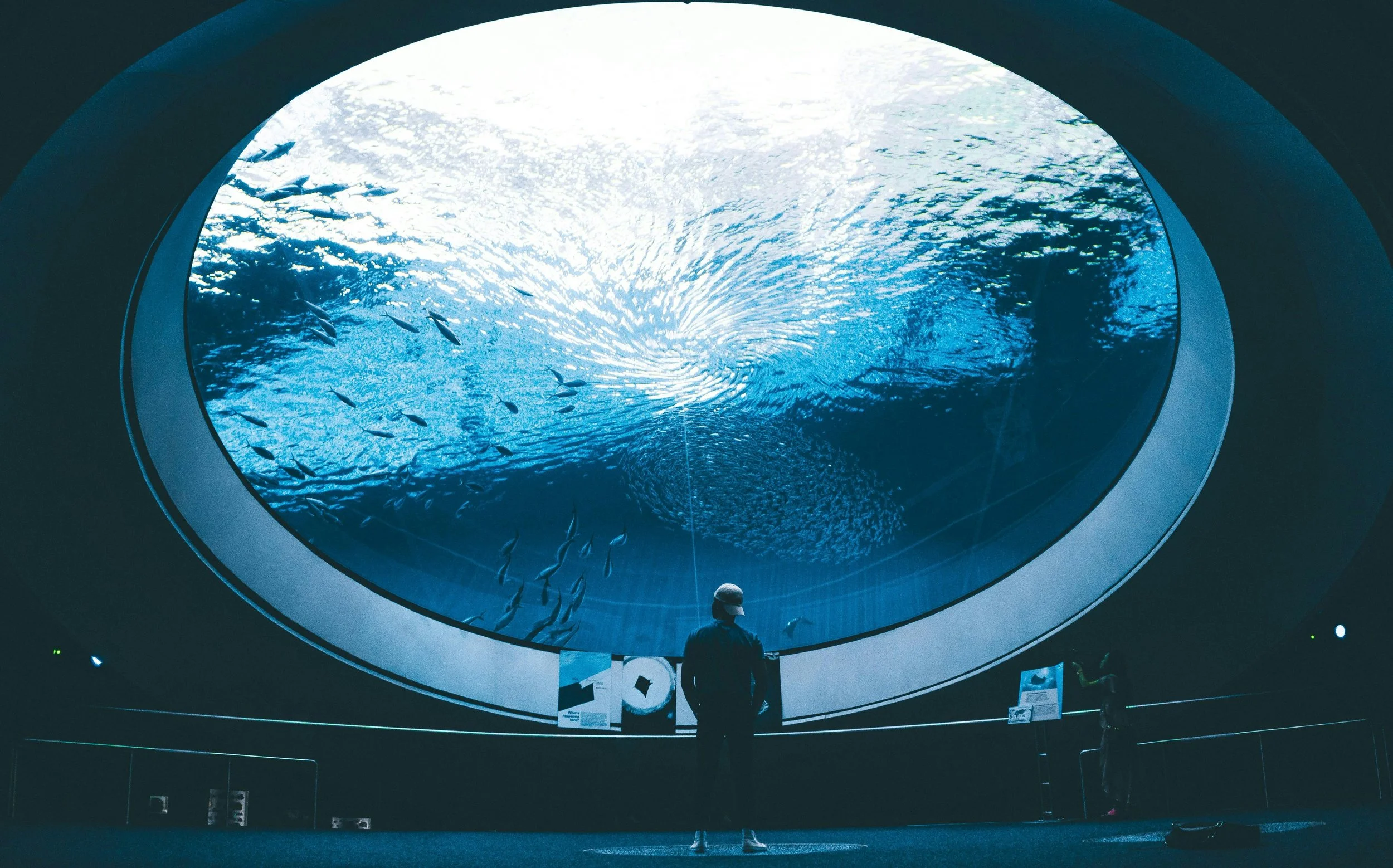
Cylindrical aquariums often use rotational water movement that creates a gentle circular current within the tank. This design is commonly used in jellyfish aquariums, where consistent circular flow keeps delicate organisms suspended in the water.
Freeform aquariums require highly customized circulation systems to prevent stagnant zones where waste could accumulate.
Understanding these flow dynamics is essential when designing large aquariums that must maintain stable water quality.
Viewing Experience and Human Perception
Aquarium shape also influences how viewers experience the display.
Rectangular tanks create a framed viewing window, allowing observers to focus on a specific scene within the aquarium.
Cylindrical aquariums offer a 360-degree viewing experience, allowing people to walk around the display and observe aquatic life from all sides.
Freeform aquariums can guide the viewer’s eye along curved surfaces or architectural pathways, creating a more immersive interaction with the environment.
These design choices can dramatically affect how the aquarium contributes to the surrounding space.
Structural Engineering Considerations
Designing aquariums of different shapes requires careful engineering analysis. Factors that must be considered include:
hydrostatic pressure at different depths
material thickness and strength
bonding techniques between panels
support structures and framing
installation logistics
Professional aquarium engineers evaluate these factors to ensure the aquarium structure remains safe and durable for long-term operation.
Choosing the Right Shape for a Custom Aquarium
Selecting the ideal aquarium shape depends on several factors. Architectural integration is often one of the most important considerations. Some spaces benefit from the clean lines of a rectangular tank, while others may require curved or cylindrical designs to complement the surrounding structure.
The intended livestock is also important. Some species thrive in environments with consistent directional flow, while others prefer gentle circular currents. Maintenance access must also be considered to ensure that technicians can safely service the aquarium and maintain water quality over time.
Conclusion
Aquarium shape is far more than a design choice. It directly influences structural stability, water circulation, viewing experience, and the long-term success of the aquatic ecosystem.
Rectangular, cubic, cylindrical, and freeform aquariums each offer unique advantages that can enhance the visual impact and functionality of a custom installation.
By combining creative design with careful engineering analysis, modern aquariums can become stunning architectural features that provide both beauty and biological stability.
FAQ
What is the strongest aquarium shape?
Cylindrical aquariums distribute water pressure more evenly due to their curved surface, which can reduce stress points compared to flat-panel tanks.
Are cylindrical aquariums harder to build?
Yes. Cylindrical aquariums require specialized manufacturing processes and structural support systems, making them more complex to design and install.
Why are rectangular aquariums so common?
Rectangular tanks are easier to manufacture, install, and maintain. Their shape also supports predictable water circulation patterns.
Can aquariums be built in custom shapes?
Yes. Modern acrylic manufacturing techniques allow aquariums to be created in a wide variety of shapes, including curved walls, tunnels, and sculptural designs.
Does aquarium shape affect fish behavior?
Yes. Some fish prefer long swimming paths found in rectangular aquariums, while others thrive in environments with circular water movement.