

Top 10 Aquarium Design Mistakes to Avoid in Luxury Homes
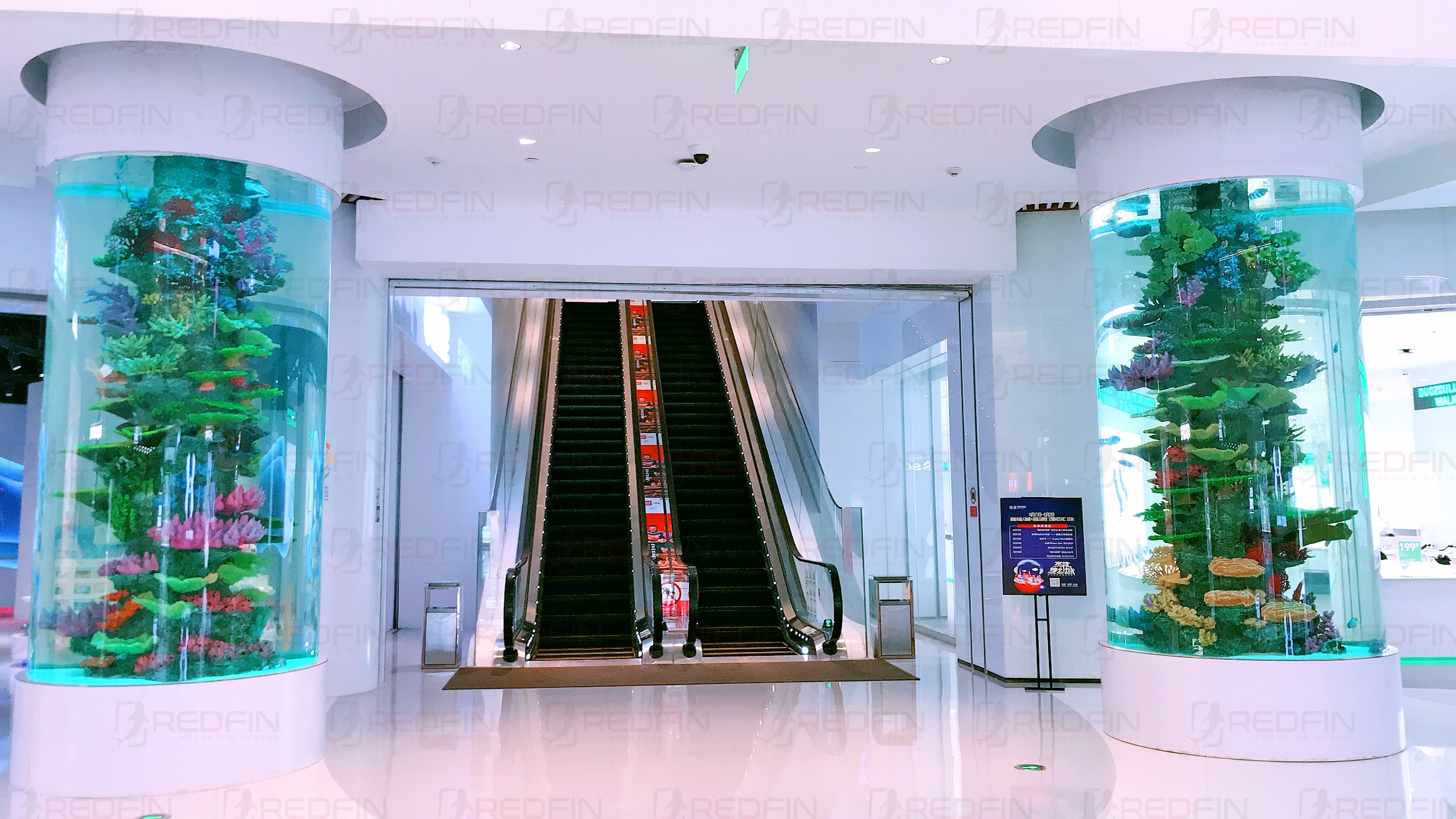
A custom aquarium can become one of the most striking features in a luxury residence. When designed correctly, it transforms a space into a living piece of art while creating a calming and immersive atmosphere.
However, integrating an aquarium into high-end interiors requires more than simply installing a glass tank. Aquariums are complex systems that involve engineering, filtration, lighting, structural support, and long-term maintenance.
Many residential aquarium projects encounter problems because these technical factors were not considered during the design stage. Below are ten of the most common aquarium design mistakes in luxury homes and how they can be avoided.
1. Choosing the Wrong Location
One of the most frequent mistakes is placing the aquarium in a location that was not originally designed to accommodate it. Aquariums are heavy systems. Even medium-sized custom aquariums can weigh several tons when filled with water, rock, and equipment.
Placing an aquarium without considering floor load capacity, access to plumbing, or electrical supply can lead to significant challenges later. The best aquarium installations are planned during the early stages of architectural design so that structural support and system infrastructure can be integrated seamlessly.
2. Ignoring Maintenance Access
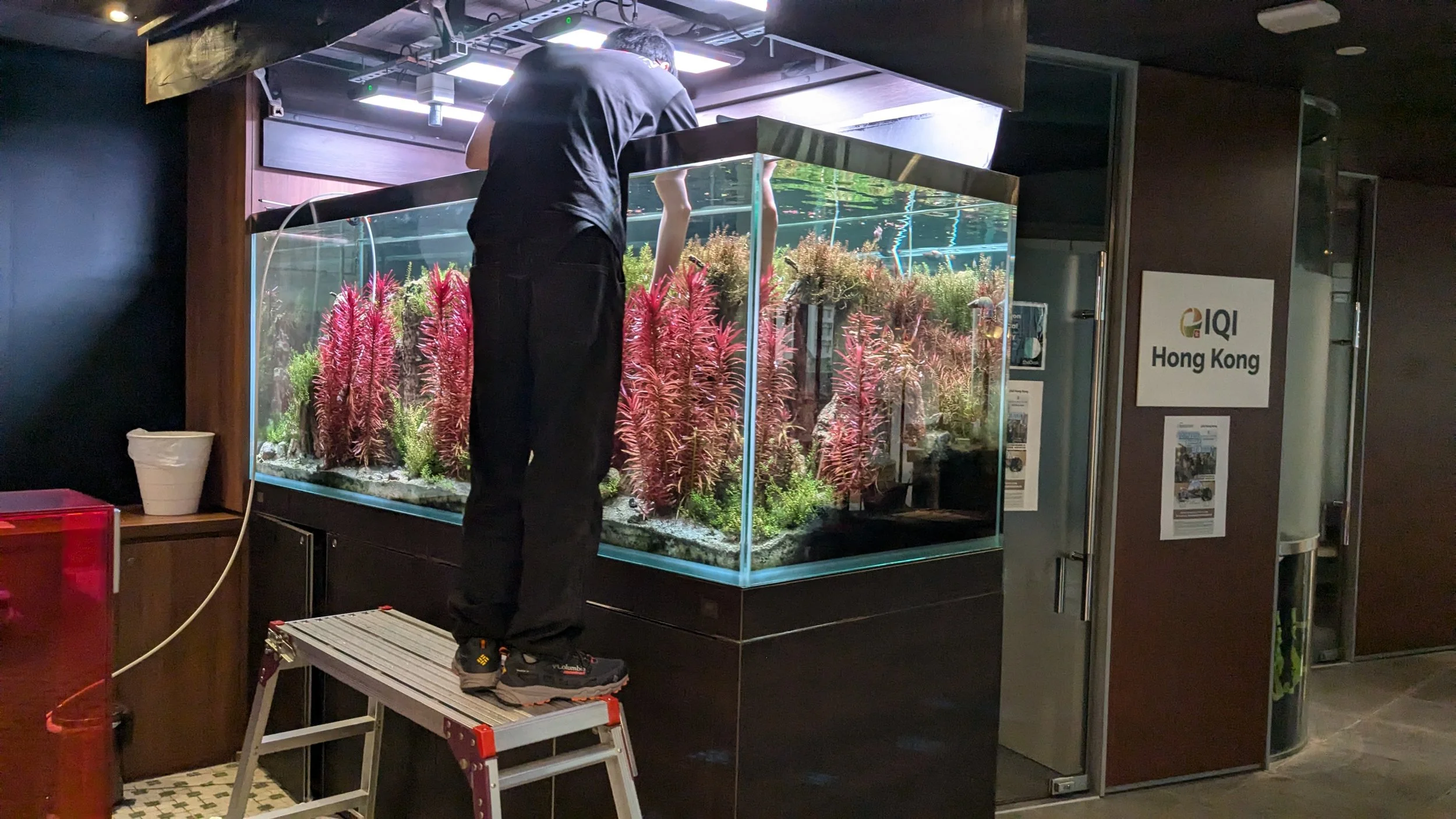
Aquariums require regular maintenance, including cleaning, water testing, equipment servicing, and livestock care. In luxury homes, some aquariums are designed purely for aesthetics without considering how technicians will access the system.
Limited access can make routine maintenance difficult and expensive. Professional aquarium designers ensure that cabinets, service rooms, or hidden access panels are incorporated into the design to allow technicians to work safely and efficiently.
3. Incorrect Lighting Design
Lighting plays a crucial role in both the visual impact and biological stability of an aquarium. Many residential aquariums use lighting systems that are either too strong or poorly positioned. Excessive lighting can promote algae growth, while insufficient lighting can affect coral and plant health.
Modern LED aquarium lighting allows precise control of intensity, spectrum, and timing. Proper lighting design enhances the display while maintaining a balanced ecosystem.
4. Oversized Aquariums for the Space
Bigger is not always better when it comes to residential aquariums. An aquarium that is too large for the room can overwhelm the interior design and disrupt the balance of the space. Aquariums should complement the architecture rather than dominate it. Proper scaling ensures that the aquarium becomes a focal point without overpowering the surrounding design elements.
5. Poor Integration with Interior Design
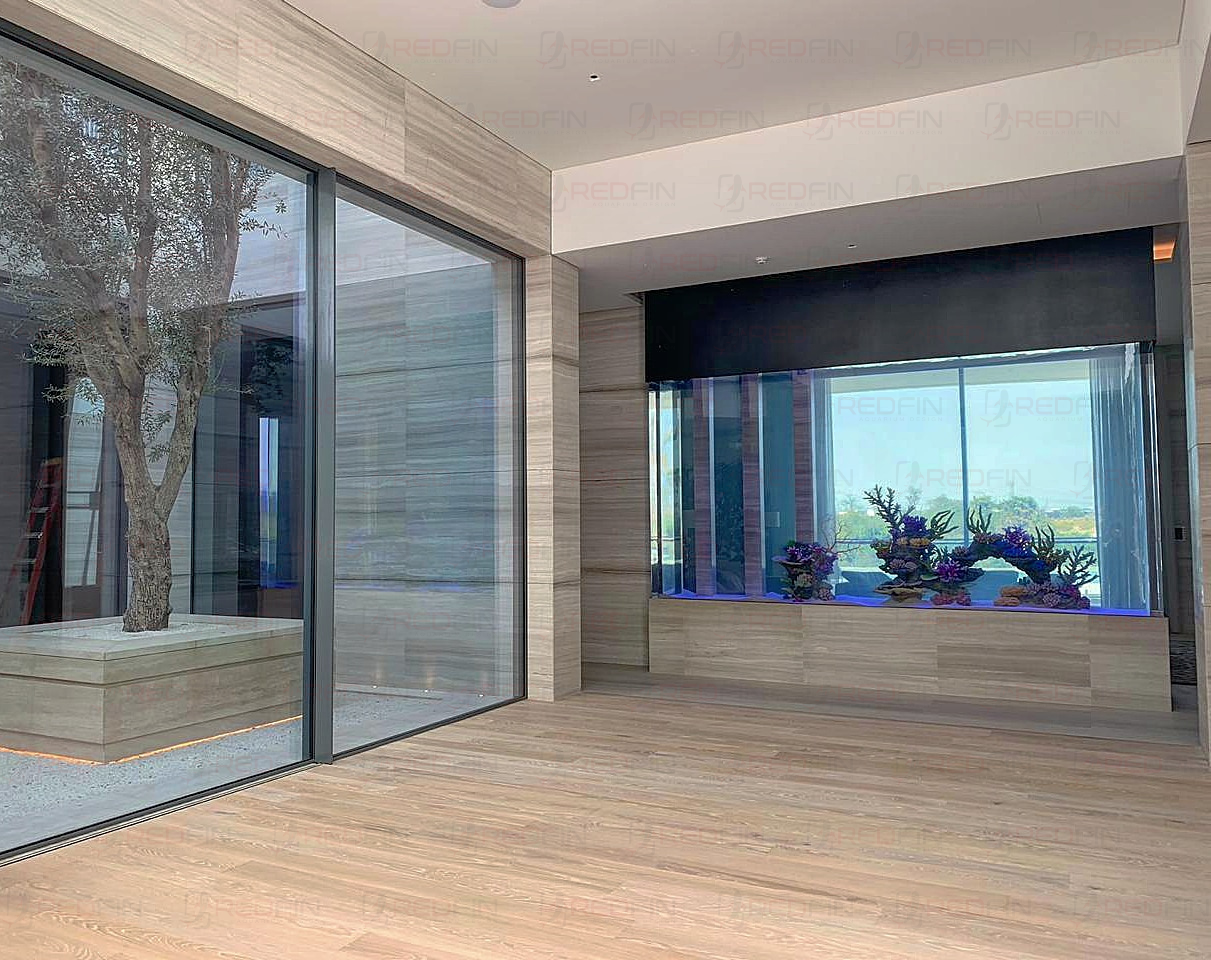
Aquariums should be integrated into the overall design language of the home. Common mistakes include mismatched cabinetry, poorly finished edges, or lighting that conflicts with the room’s ambiance. Working closely with architects and interior designers ensures that materials, finishes, and lighting schemes align with the rest of the interior environment.
6. Inadequate Filtration Systems
Filtration is the backbone of any aquarium system. Unfortunately, some residential installations rely on undersized filtration systems that cannot handle the biological load of the aquarium.
This can lead to cloudy water, algae growth, and unstable water chemistry. Professional aquarium systems include properly sized life support systems that maintain water quality and ensure long-term stability.
7. Poor Water Circulation
Water flow is essential for maintaining water clarity and distributing oxygen and nutrients throughout the aquarium. Poor circulation can create stagnant zones where waste accumulates and algae begin to grow.
Carefully designed circulation systems ensure that water moves evenly throughout the tank while remaining comfortable for the fish and coral species living within it.
8. Choosing Incompatible Fish Species
Many aquarium owners choose fish based solely on appearance without considering compatibility between species. Some fish are territorial or aggressive, while others require specific environmental conditions.
Selecting compatible species ensures a peaceful and balanced ecosystem while preventing stress and conflict among the fish.
9. Neglecting Long-Term Operating Costs
Aquariums are living ecosystems that require ongoing care and operation. Operating costs may include:
electricity for pumps and lighting
water treatment
livestock care
professional maintenance
Planning for these costs ensures that the aquarium continues to operate smoothly over time.
10. Not Working with Professional Aquarium Designers
Perhaps the most significant mistake is attempting to install a complex aquarium system without professional expertise. Custom aquariums require coordination between multiple disciplines, including engineering, aquaculture, life support systems, and interior design.
Professional aquarium designers ensure that every aspect of the system from structural integrity to filtration and aesthetics works together seamlessly.
The Value of Professional Aquarium Design
When planned correctly, a custom aquarium can become one of the most unique and captivating features in a luxury home.
Professional design ensures that the aquarium integrates seamlessly with the architecture while maintaining the technical systems required to support a thriving aquatic ecosystem.
By avoiding these common mistakes, homeowners can enjoy a stunning aquarium display that enhances the beauty and atmosphere of their living space for years to come.
FAQ
How much does a custom aquarium for a luxury home cost?
Costs vary depending on size, materials, filtration systems, and installation complexity. High-end residential aquariums can range from tens of thousands to several hundred thousand dollars.
Do aquariums require regular maintenance?
Yes. Aquariums require ongoing maintenance such as cleaning, water testing, equipment servicing, and livestock care to maintain a stable ecosystem.
Can aquariums be integrated into walls or furniture?
Yes. Custom aquariums can be built into walls, room dividers, or cabinetry as long as structural support and maintenance access are properly designed.
How heavy is a large home aquarium?
Water weighs approximately 1 kilogram per liter. A 1,000-liter aquarium can weigh over one ton when accounting for water, equipment, and structural materials.
When should an aquarium be planned during home design?
Ideally, aquariums should be incorporated during the architectural design phase so that structural support, plumbing, and electrical systems can be properly integrated.