

A Guide to Custom Aquariums: Design, Engineering, and Installation
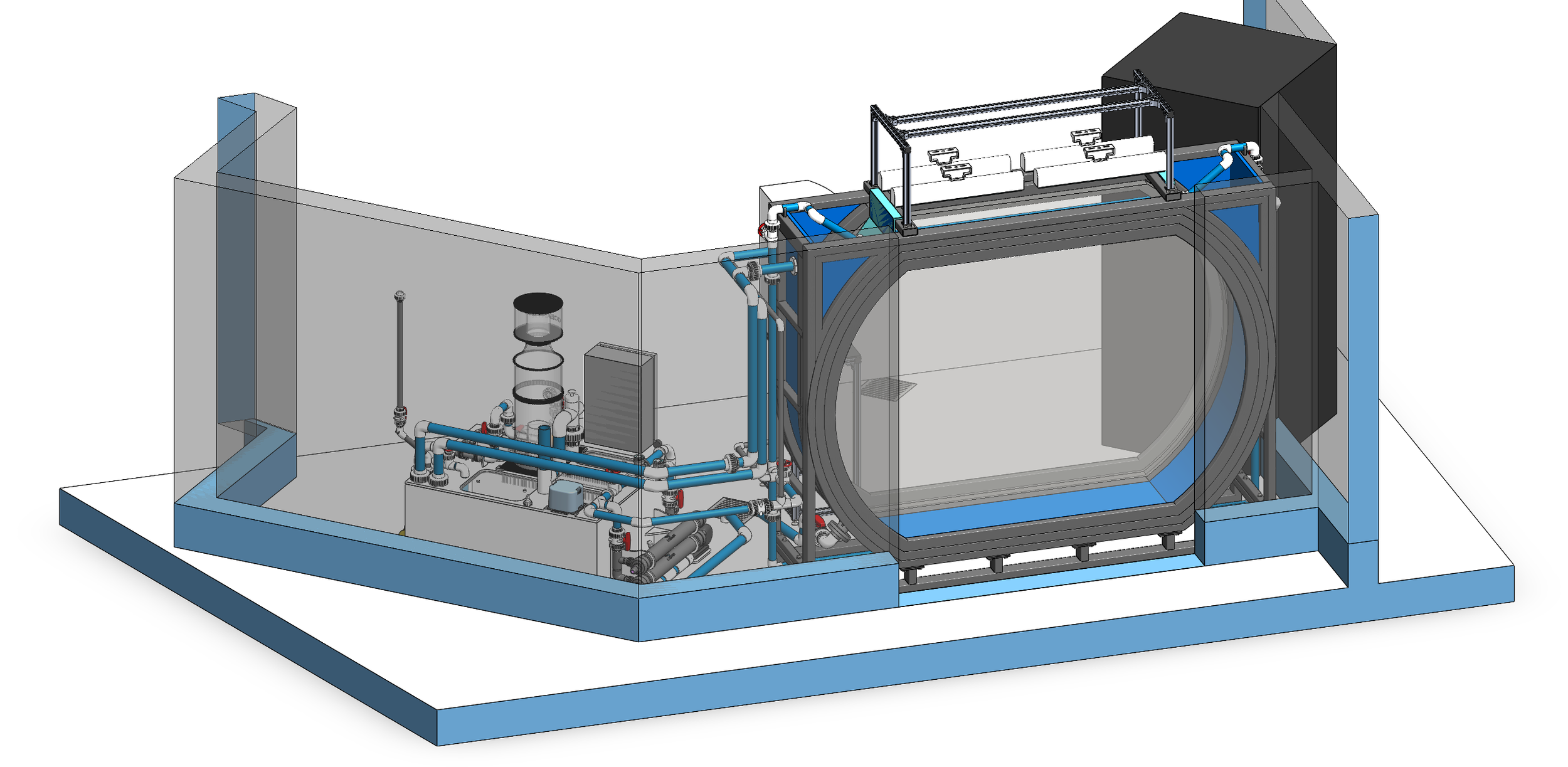
Custom aquariums have evolved far beyond simple decorative fish tanks. Today, they are sophisticated architectural features that combine engineering, biology, and design to create immersive aquatic environments.
From luxury residential installations to large-scale commercial displays in hotels, offices, and public spaces, custom aquariums are carefully designed systems that must balance aesthetics with complex technical requirements.
A successful custom aquarium requires thoughtful planning, specialized equipment, and expert knowledge of aquatic ecosystems. This guide explores the key stages involved in designing, engineering, and installing a custom aquarium.
What Is a Custom Aquarium?
A custom aquarium is a uniquely designed aquatic display built to fit a specific space and purpose. Unlike standard aquariums that come in predetermined sizes, custom aquariums are engineered to match architectural layouts, interior design concepts, and specific livestock requirements.
Custom aquariums can be integrated into a wide range of environments, including:
luxury residential homes
hotel lobbies
restaurants and lounges
corporate offices
shopping malls
public aquarium attractions
These installations often involve complex engineering solutions, advanced filtration systems, and carefully designed aquascapes.
The Design Process

The design stage is the foundation of any successful aquarium project. During this phase, designers and engineers evaluate the client’s vision, the architectural constraints of the space, and the biological requirements of the aquarium ecosystem.
Several key factors are considered during the design process.
Location and Structural Planning
Aquariums are heavy structures. Water weighs approximately one kilogram per liter, meaning even a modest-sized aquarium can weigh several tons when filled.
Designers must evaluate floor load capacity and ensure the building structure can safely support the aquarium.
Aquarium Shape and Viewing Experience
Custom aquariums can be designed in a wide range of shapes, including:
rectangular viewing panels
cylindrical aquariums
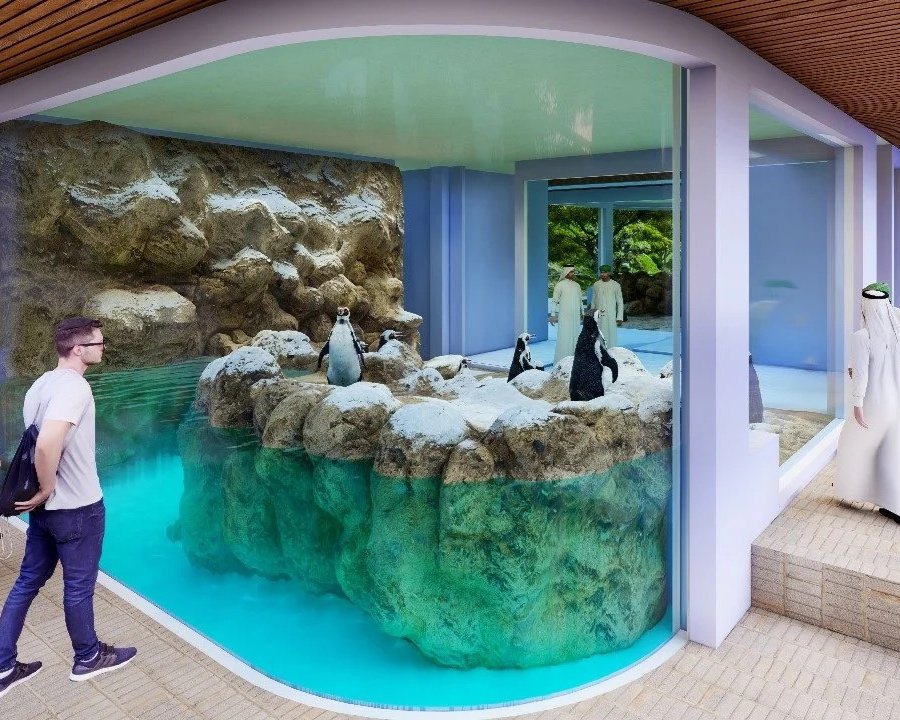
curved wall installations
room divider aquariums
walk-through tunnels
Each shape creates a different viewing experience and requires specific engineering considerations.
Integration with Interior Design
Custom aquariums are often integrated directly into the architecture of the space.
This may involve:
built-in wall aquariums
staircase aquariums
floor-level aquariums
freestanding feature tanks
Proper integration ensures that the aquarium complements the surrounding environment rather than appearing as an isolated object.
Aquarium Engineering
Behind every visually stunning aquarium is a carefully engineered system designed to maintain a stable aquatic environment.
Engineering considerations include structural design, water pressure calculations, and life support system planning.
Material Selection
Aquarium viewing panels are typically constructed using either glass or acrylic. Glass offers excellent scratch resistance and optical clarity, while acrylic provides greater strength and flexibility, making it ideal for large or curved aquariums.
Large public aquariums often use thick acrylic panels capable of withstanding significant water pressure.
Water Pressure and Structural Support
Water exerts increasing pressure as depth increases. This hydrostatic pressure places significant stress on the aquarium panels and joints.
Engineers calculate panel thickness, structural reinforcement, and bonding methods to ensure the aquarium can safely withstand these forces.
Life Support Systems
Life Support Systems (LSS) are responsible for maintaining water quality within the aquarium.
These systems typically include:
mechanical filtration
biological filtration
circulation pumps
protein skimmers for marine aquariums
temperature control systems
chemical filtration media
Together, these components maintain a balanced aquatic environment that supports fish, coral, and other marine organisms.
Water Flow and Circulation
Water movement is essential for maintaining healthy aquarium ecosystems. Proper circulation distributes oxygen, transports nutrients, and prevents the accumulation of waste and debris.
Custom aquariums often use strategically positioned pumps and return outlets to create natural water movement patterns that replicate conditions found in oceans, rivers, or lakes.
Lighting Design
Lighting is another critical component of aquarium design. Modern aquarium lighting systems use advanced LED technology that allows designers to control light intensity, spectrum, and daily lighting cycles.
Lighting systems can simulate sunrise, daylight, sunset, and moonlight conditions, creating dynamic visual experiences while supporting biological processes within the aquarium.
Aquascaping and Habitat Design
Aquascaping refers to the arrangement of rocks, coral, plants, and decorative elements within the aquarium. In addition to creating visual interest, aquascaping also serves important ecological functions.
Structures within the aquarium provide hiding spaces, territorial boundaries, and natural habitats for fish and invertebrates. Thoughtful aquascaping contributes to both the aesthetic beauty and biological stability of the system.
Livestock Selection
Choosing the right fish and marine species is essential for maintaining a balanced ecosystem. Livestock planning considers several factors:
species compatibility
tank size and swimming space
feeding requirements
environmental conditions
long-term growth potential
Professional aquarium designers often work with aquarists and marine biologists to develop sustainable livestock plans.
Installation Process
Once the aquarium has been designed and engineered, the installation phase begins. Large custom aquariums often require careful coordination between architects, contractors, and aquarium specialists.
Installation may involve:
transporting large viewing panels
assembling structural frames
installing filtration and life support systems
connecting plumbing and electrical systems
filling and testing the aquarium
After installation, the aquarium undergoes a stabilization period where water chemistry and biological filtration systems are carefully monitored.
Ongoing Maintenance
Aquariums are living systems that require regular maintenance to remain healthy and visually appealing. Maintenance tasks may include:
water testing and adjustments
cleaning viewing panels
equipment inspection
livestock health monitoring
algae control
Professional maintenance services help ensure that the aquarium continues operating smoothly over time.
Benefits of Custom Aquariums
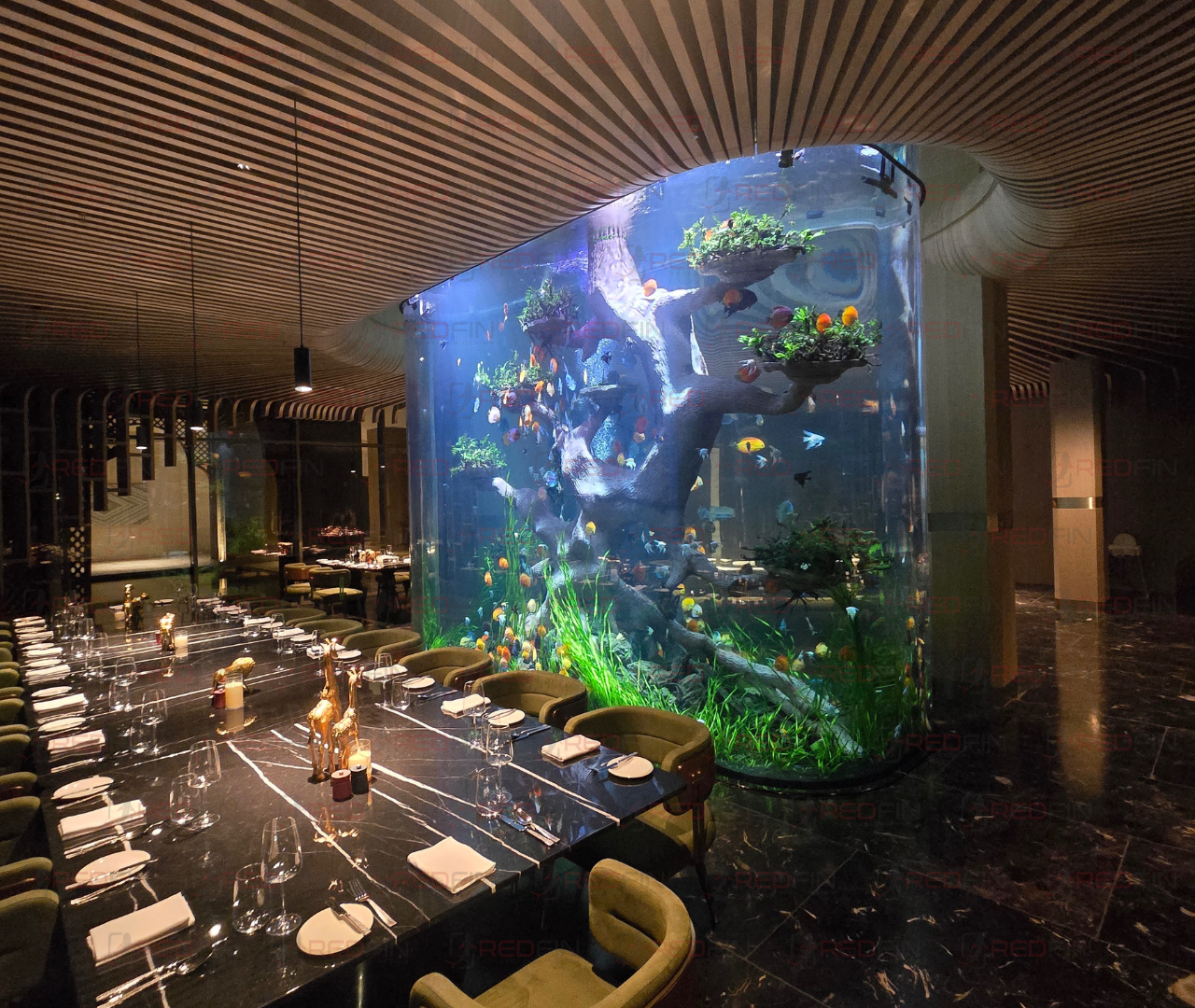
Custom aquariums provide several benefits beyond their visual appeal.
They can:
enhance interior architecture
create relaxing environments
attract visitors in commercial spaces
provide educational opportunities
showcase marine biodiversity
In both residential and commercial environments, aquariums can become memorable focal points that elevate the entire space.
Conclusion
Custom aquariums combine art, engineering, and marine science to create living environments that captivate and inspire. From the initial design concept to engineering, installation, and long-term maintenance, every stage of the process plays a role in ensuring the success of the aquarium.
With careful planning and professional expertise, custom aquariums can transform spaces into immersive aquatic experiences while maintaining stable ecosystems for marine life.
FAQ
How much does a custom aquarium cost?
Costs vary depending on size, materials, filtration systems, and installation complexity. Custom aquariums can range from several thousand dollars to large-scale installations costing significantly more.
How long does it take to install a custom aquarium?
The timeline depends on the complexity of the project. Design, fabrication, and installation can take several weeks to several months for large installations.
Are custom aquariums difficult to maintain?
Like any living ecosystem, aquariums require regular maintenance. Professional maintenance services ensure water quality, equipment performance, and livestock health.
Can aquariums be built into walls or floors?
Yes. Custom aquariums can be integrated into architectural elements such as walls, floors, or room dividers when structural requirements are properly addressed.
What types of fish can live in custom aquariums?
The types of fish depend on the size of the aquarium, water conditions, and compatibility between species.