

Redundancy in Life Support Systems: Why Backup Pumps and Filtration Are Essential

Aquariums are living ecosystems that depend on carefully balanced environmental conditions. Water quality, oxygen levels, temperature, and circulation must remain stable at all times to ensure the health and survival of aquatic life.
In large aquariums whether located in luxury residences, hotels, shopping centers, or public attractions the systems that maintain these conditions are known as Life Support Systems (LSS).
Life support systems manage filtration, circulation, oxygenation, and water treatment. Because aquatic organisms rely entirely on these systems, any failure can quickly lead to serious consequences. For this reason, professional aquarium installations are designed with redundancy, ensuring that backup systems automatically maintain operations if a component fails.
What Is an Aquarium Life Support System?
A Life Support System is the technical infrastructure responsible for maintaining water quality and environmental stability within an aquarium. These systems typically include several integrated components:
mechanical filtration to remove particles and debris
biological filtration to process waste produced by fish
circulation pumps that move water throughout the system
protein skimmers in marine aquariums
heating or cooling systems to maintain temperature
chemical filtration to remove dissolved contaminants
Together, these components maintain a stable aquatic environment where fish, coral, and other organisms can thrive. In large aquariums, these systems operate continuously, often running 24 hours a day.

Why Redundancy Is Critical in Aquarium Systems
Unlike many other mechanical systems, aquariums cannot simply be turned off if something goes wrong. Fish and other aquatic organisms depend on continuous water circulation and oxygen exchange. If circulation stops or filtration fails, water quality can deteriorate rapidly. Without proper oxygenation and waste removal, fish may begin experiencing stress within minutes.
Redundancy ensures that if one system fails, another immediately takes over, preventing disruptions that could endanger aquatic life. This approach is widely used in public aquariums and high-end installations where system reliability is essential.
Backup Circulation Pumps
Circulation pumps are one of the most critical components in any aquarium system. These pumps move water through the filtration system and return clean water to the display tank.
If a circulation pump fails, water may stop flowing through the filtration system entirely. To prevent this, professional aquarium systems typically include backup pumps.
In many cases, multiple pumps operate simultaneously. If one pump stops working, the remaining pumps continue circulating water while maintenance is performed. This layered approach ensures uninterrupted water movement throughout the system.
Redundant Filtration Systems
Filtration systems are responsible for removing waste, debris, and dissolved organic compounds from aquarium water. If filtration stops functioning, water quality can decline quickly.
Redundant filtration systems allow aquariums to maintain stable water conditions even if one component experiences a malfunction. These systems may include:
multiple mechanical filtration units
parallel biological filtration chambers
additional protein skimmers in marine systems
By distributing filtration responsibilities across multiple units, the aquarium remains protected against equipment failure.
Emergency Power Systems
Power outages are another risk that must be considered in aquarium design. If electricity is lost, pumps, filtration systems, and oxygenation equipment may stop operating. Professional aquarium installations often include emergency power systems, such as backup generators or battery systems.
These systems automatically activate when power interruptions occur, ensuring that essential equipment continues running until normal power is restored. This type of planning is especially important in large aquariums where thousands of liters of water and valuable aquatic life are involved.
Monitoring and Control Systems
Modern aquarium systems often include digital monitoring technology that continuously tracks system performance. Sensors can monitor key parameters such as:
water temperature
oxygen levels
pH levels
pump performance
water flow rates
If any of these parameters move outside the acceptable range, automated alerts can notify technicians immediately. Advanced control systems may also automatically activate backup equipment when irregularities are detected. This technology provides an additional layer of protection for complex aquarium systems.
Redundancy in Public Aquariums and Large Installations
In public aquariums and large commercial installations, redundancy is a standard design principle. Large systems often include multiple layers of protection to prevent system failures.
For example:
multiple pumps operating in parallel
backup filtration chambers
automated monitoring systems
emergency power generation
This approach ensures that the aquarium can continue operating safely even if individual components require maintenance or replacement. The goal is to eliminate single points of failure within the system.
Designing Reliable Aquarium Systems
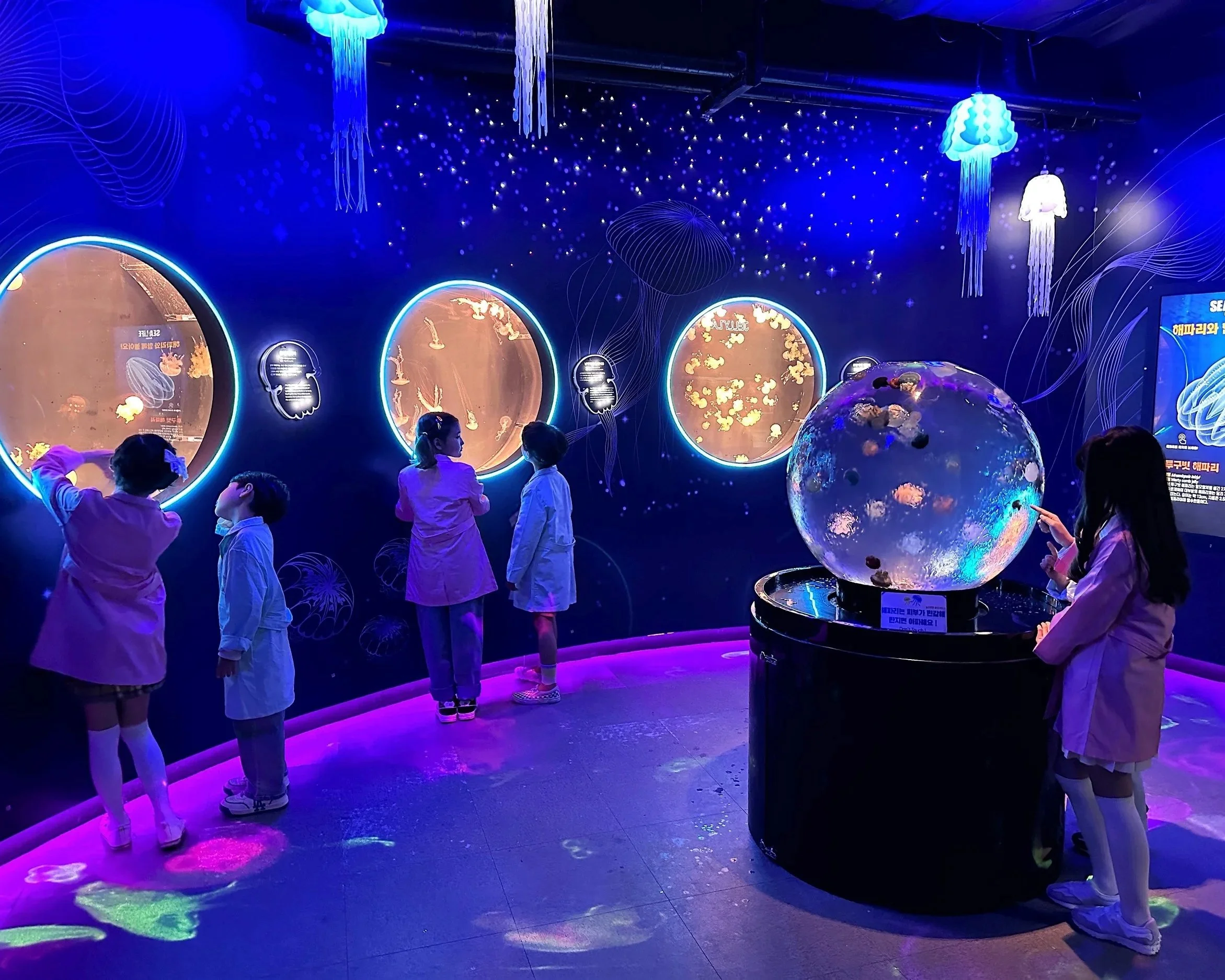
Effective redundancy requires careful planning during the design stage. Engineers and aquarium specialists evaluate several factors when designing life support systems:
aquarium size and water volume
type and density of livestock
filtration requirements
circulation patterns
maintenance accessibility
By incorporating redundancy into the initial design, aquariums can maintain stable operating conditions while reducing the risk of unexpected disruptions.
The Role of Professional Aquarium Engineering
Redundant life support systems are a critical part of professional aquarium engineering. Designing these systems requires expertise in water chemistry, mechanical engineering, aquaculture, and environmental control systems.
When these disciplines are integrated successfully, the result is an aquarium system that operates reliably while maintaining ideal conditions for aquatic life. For complex installations, professional design ensures that every component works together to create a stable and sustainable environment.
Conclusion
Life Support Systems are the backbone of every aquarium. They maintain water quality, support aquatic life, and ensure the stability of the entire ecosystem.
Because aquariums depend on continuous system operation, redundancy is essential. Backup pumps, redundant filtration systems, emergency power sources, and monitoring technology all play a role in protecting aquarium environments from unexpected failures. Through careful planning and professional engineering, aquariums can maintain stable and reliable operation while providing stunning displays of aquatic life.
FAQ
What is a Life Support System in an aquarium?
A Life Support System (LSS) is the collection of equipment that maintains water quality in an aquarium, including filtration systems, pumps, oxygenation equipment, and temperature control.
Why do aquariums need backup pumps?
Backup pumps ensure that water continues circulating through the filtration system if the primary pump fails, preventing water quality from deteriorating.
What happens if an aquarium pump stops working?
If circulation stops, oxygen levels may drop and waste can accumulate quickly, which can stress or harm aquatic life.
Do large aquariums have backup power systems?
Yes. Many professional aquarium installations include backup generators or battery systems to keep life support systems running during power outages.
Why is redundancy important in aquarium design?
Redundancy eliminates single points of failure in the system, ensuring that the aquarium can continue operating safely even if one component experiences a malfunction.