

Aquarium vs Paludarium vs Vivarium: Understanding the Differences
Aquatic and natural habitat displays have evolved significantly over the years, expanding far beyond the traditional fish tank. Today, enthusiasts and designers explore a range of ecosystem environments that recreate different aspects of nature.
Three of the most commonly discussed environments are aquariums, paludariums, and vivariums. While these terms are sometimes used interchangeably, they actually describe very different types of habitats.
Each system is designed to replicate specific environmental conditions and support different types of plants and animals. Understanding these differences helps designers and hobbyists choose the most suitable environment for their intended display.
What Is an Aquarium?
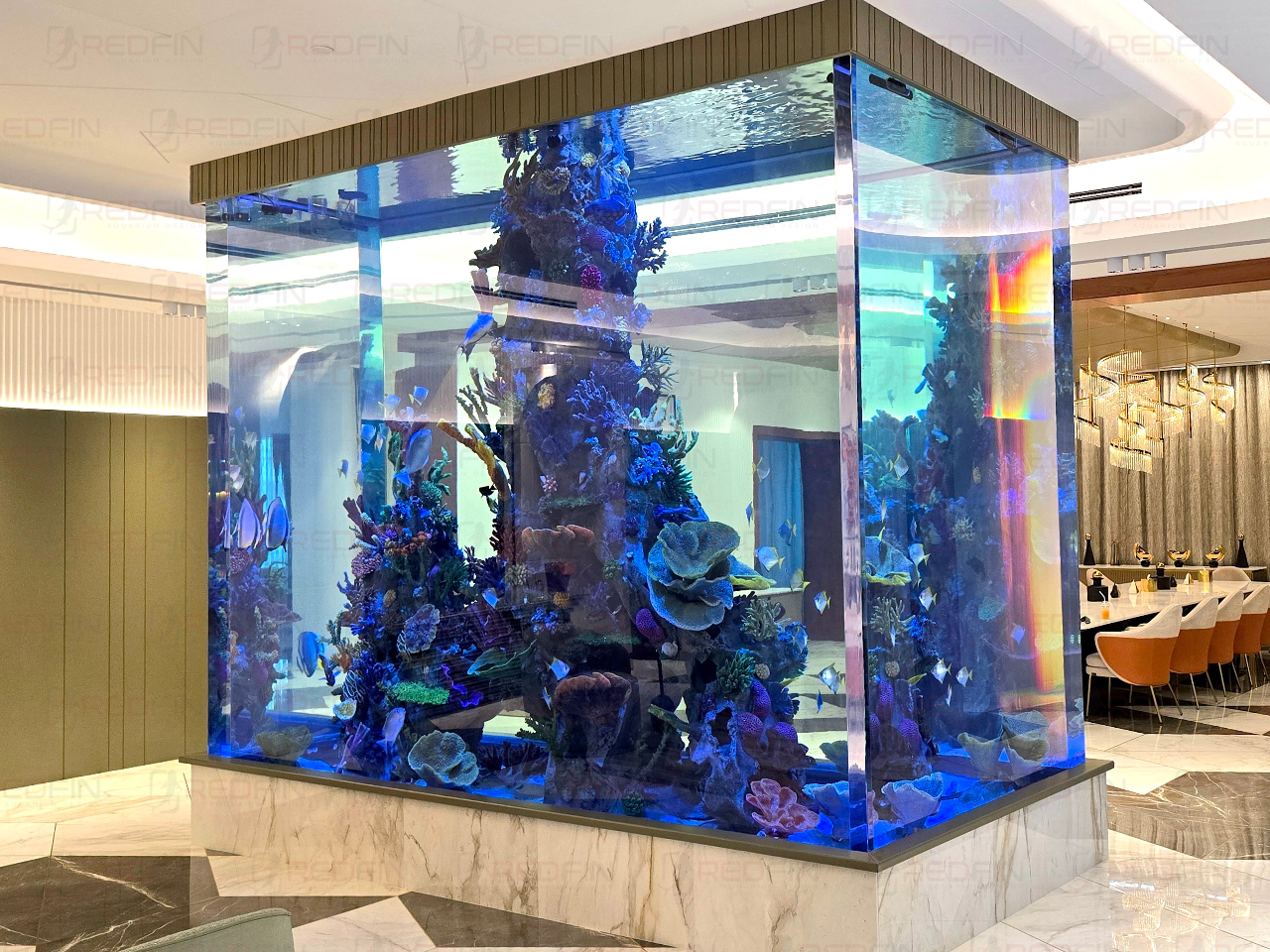
An aquarium is the most familiar type of aquatic habitat. It is a fully water-filled enclosure designed to house aquatic organisms, such as fish, invertebrates, and aquatic plants.
Aquariums replicate underwater environments found in oceans, lakes, and rivers.
Typical aquarium systems include:
water filtration systems
circulation pumps
lighting systems
temperature control equipment
aquatic plants and aquascaping structures
Aquariums can range from small decorative tanks to massive installations in public aquariums and architectural spaces. Because they are entirely aquatic, aquariums focus primarily on maintaining stable water conditions and supporting marine or freshwater life.
What Is a Paludarium?
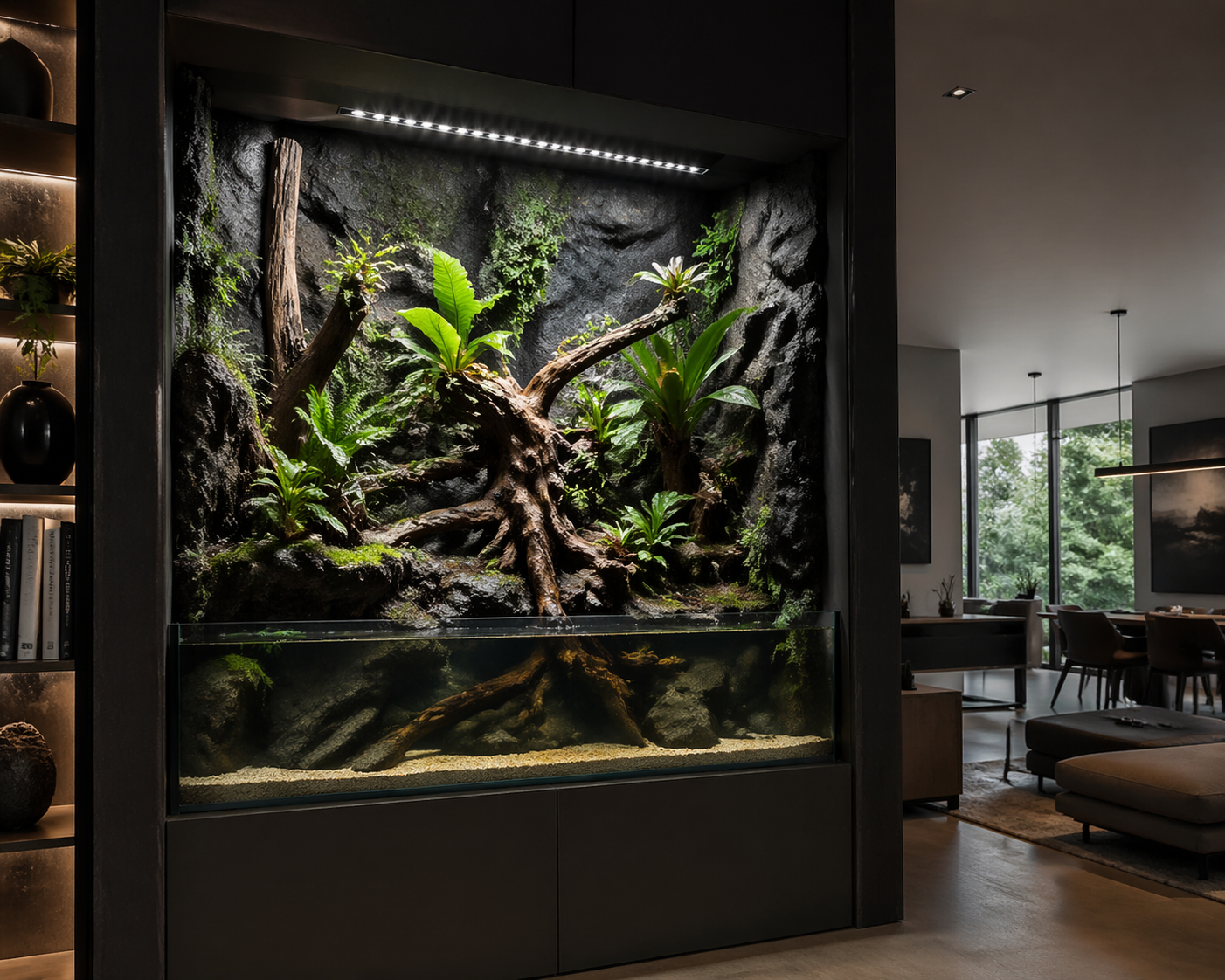
A paludarium is a hybrid environment that combines both aquatic and terrestrial habitats within the same system.
These environments recreate ecosystems where land and water meet, such as:
tropical riverbanks
mangrove forests
wetlands
rainforest streams
A paludarium typically includes:
a submerged aquatic section
a shoreline or transition area
a planted terrestrial environment above the waterline
This layered structure allows the system to support aquatic animals as well as plants and animals that require access to both land and water. Paludariums often feature flowing water elements such as waterfalls or streams to mimic natural habitats.
What Is a Vivarium?
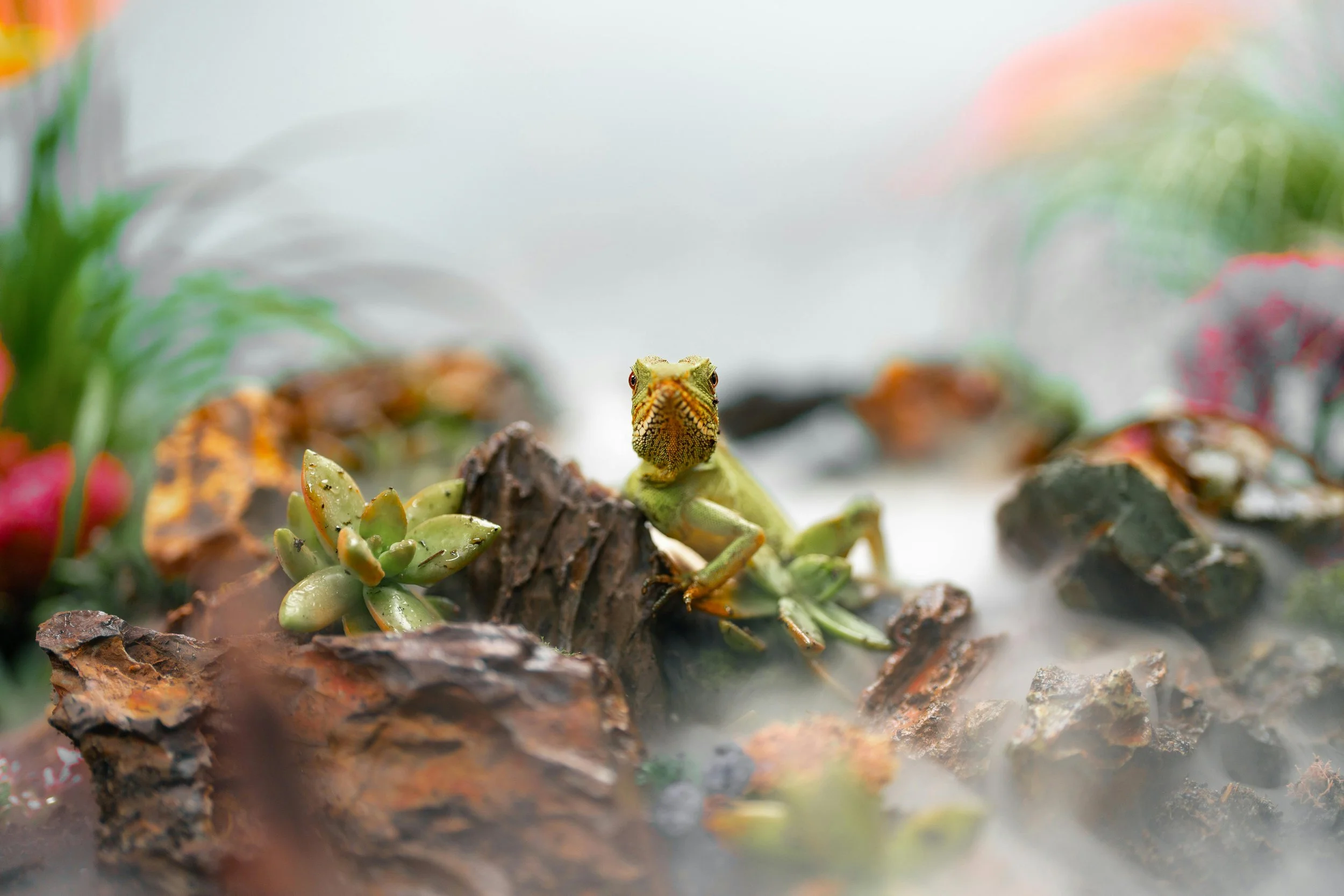
A vivarium is a broader term that refers to any enclosed environment designed to house and sustain living organisms. Unlike aquariums and paludariums, vivariums are usually land-based habitats that recreate terrestrial ecosystems.
Vivariums are commonly used to house:
reptiles
amphibians
insects
tropical plants
These systems typically emphasize humidity control, lighting, and substrate composition to replicate natural habitats such as tropical forests or desert environments. Because vivariums do not necessarily include water sections, they focus primarily on terrestrial life.
Key Differences Between Aquariums, Paludariums, and Vivariums
Although these systems share similarities, they are designed to support very different ecosystems.
Aquarium
Environment: Fully aquatic
Typical inhabitants: fish, shrimp, aquatic plants
Primary focus: water quality and filtration
Paludarium
Environment: mixed aquatic and terrestrial
Typical inhabitants: fish, amphibians, aquatic and tropical plants
Primary focus: balancing water and land ecosystems
Vivarium
Environment: terrestrial habitat
Typical inhabitants: reptiles, amphibians, insects, plants
Primary focus: humidity, temperature, and land-based habitat conditions
Choosing the Right Habitat System
Selecting the right environment depends on the type of ecosystem you want to recreate and the species you intend to house. Aquariums are ideal for showcasing aquatic life and underwater environments.
Paludariums offer a more complex display that combines water features with lush vegetation and shoreline habitats. Vivariums focus on terrestrial ecosystems and are often used to house reptiles, amphibians, and tropical plants.
Each system offers unique opportunities to recreate natural habitats within controlled environments.
Paludariums: Bridging Land and Water
Among the three systems, paludariums provide one of the most visually dynamic displays because they combine elements of both aquatic and terrestrial ecosystems.
These environments often resemble miniature rainforest landscapes, complete with water features, moss-covered rocks, and tropical plants.
Because they recreate the transition between land and water, paludariums allow designers to build immersive environments that closely resemble natural ecosystems.
The Role of Design and Engineering
Creating successful habitat systems requires careful design and environmental control.
Key considerations include:
water circulation and filtration
lighting systems
humidity control
structural design
maintenance accessibility
Whether designing a traditional aquarium, a paludarium landscape, or a terrestrial vivarium, proper planning ensures that the system remains stable and healthy for the organisms it supports.
Conclusion
Aquariums, paludariums, and vivariums each represent unique approaches to recreating natural habitats.
Aquariums focus entirely on underwater environments, paludariums blend aquatic and terrestrial ecosystems, and vivariums replicate land-based habitats.
Understanding the differences between these systems allows designers, hobbyists, and institutions to choose the most appropriate environment for their goals.
As interest in natural ecosystems and biophilic design continues to grow, these living displays offer increasingly creative ways to bring nature into homes, public spaces, and educational environments.
FAQ
What is the main difference between an aquarium and a paludarium?
An aquarium is fully aquatic, while a paludarium combines both water and land environments in the same system.
Is a paludarium considered a vivarium?
Yes. A paludarium is technically a specialized type of vivarium because it houses living organisms within a controlled environment.
Can fish live in a paludarium?
Yes. The aquatic section of a paludarium can house fish, shrimp, and other aquatic organisms.
What animals live in vivariums?
Vivariums commonly house reptiles, amphibians, insects, and tropical plants depending on the habitat created.
Which system is best for beginners?
Aquariums are typically the easiest to maintain. Paludariums and vivariums require additional environmental controls such as humidity and temperature management.