

Remote Monitoring: The Future of Aquarium Operations
Introduction
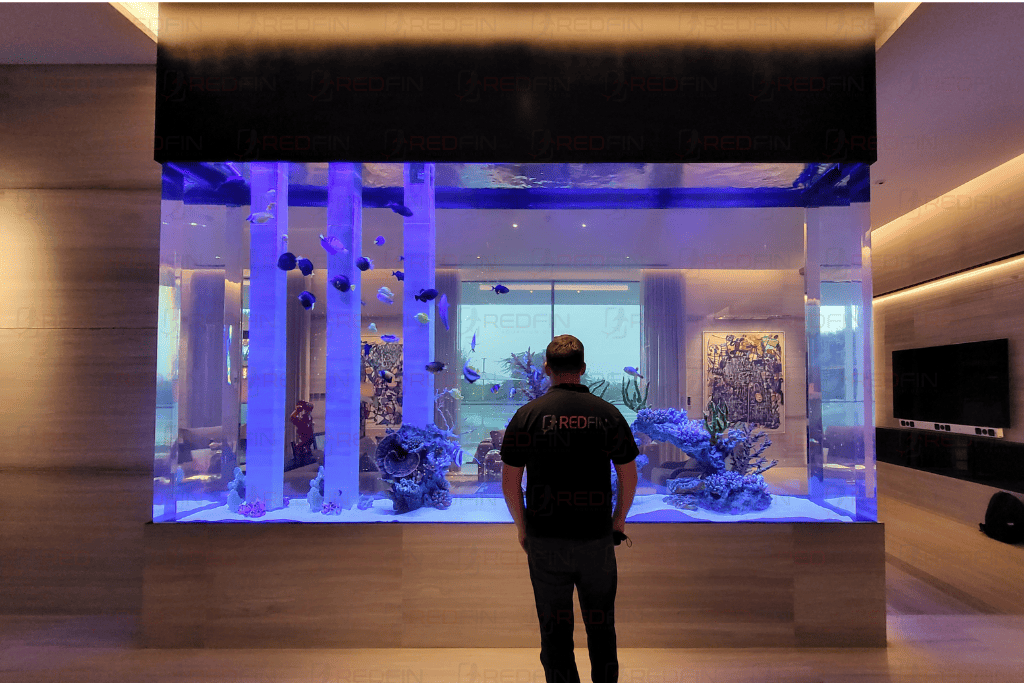
As aquariums grow more complex and expansive particularly in luxury environments, public attractions, and large-scale hospitality installations, so too must their operations evolve.
Remote monitoring: a cutting-edge approach that gives aquarists, facility managers, and owners real-time visibility and control over their aquatic systems, no matter where they are.
At RedFin, we’ve embraced this shift toward smarter, more responsive aquarium technology. By integrating remote monitoring and automation into our Life Support Systems (LSS), we deliver higher reliability, faster troubleshooting, and greater peace of mind especially for installations that operate 24/7.
What Is Remote Monitoring in Aquarium Systems?
Remote monitoring refers to the digital observation and control of aquarium parameters, systems, and equipment from a distance, typically through a secure, cloud-connected platform.
These systems allow technicians to:
View live data feeds (temperature, pH, salinity, ORP, flow rates, etc.)
Receive automatic alerts for system faults or anomalies
Adjust settings remotely, such as lighting schedules or dosing routines
Review historical data trends to optimize performance
In high-value or mission-critical aquariums, such technology is not a luxury, it’s essential.
Key Benefits of Remote Monitoring
1. Real-Time Alerts and Early Intervention
Remote monitoring systems can detect imbalances or faults instantly — before they become visible to the naked eye.
Common alerts include:
Temperature deviations
pH or salinity drift
Water level drops
Power supply interruptions
Pump or skimmer failures
Early detection ensures rapid response, minimizing livestock stress or loss.
2. 24/7 Access from Anywhere
Aquarists no longer need to be onsite to manage the system. With mobile dashboards and secure web portals, authorized users can:
Check system status from their phone or computer
Control equipment functions (e.g., turn off lighting or adjust flow)
Receive push notifications for critical issues
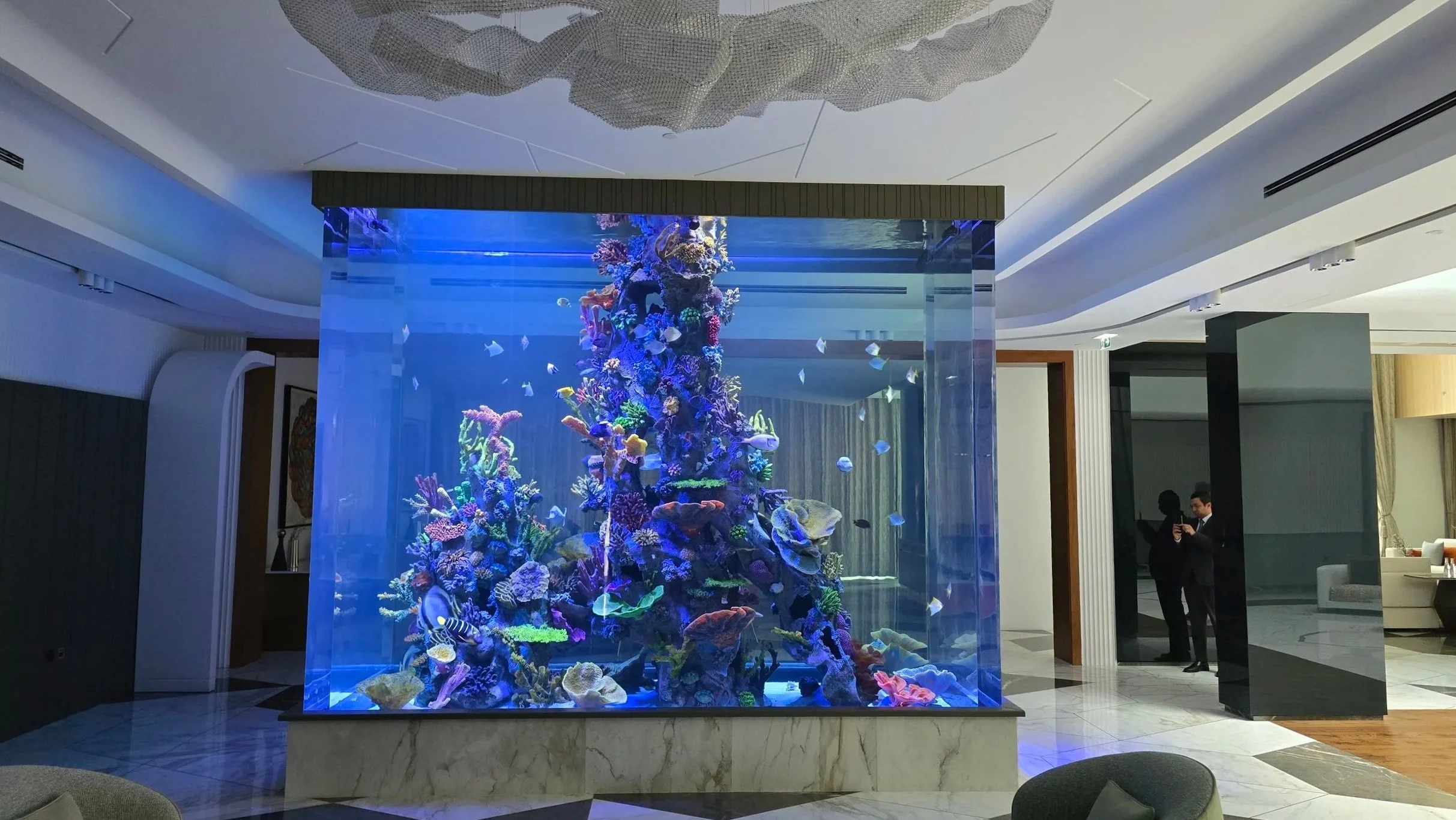
This is especially beneficial for installations in private residences, hotels, or overseas properties, where technical support may not be immediately available onsite.
3. Operational Efficiency and Resource Saving
Remote systems allow for:
Predictive maintenance: identifying issues before they cause failure
Data logging: tracking system health over time
Reduced manpower needs: fewer routine checks required
This leads to more efficient operations, lower risk, and long-term cost savings.
4. Integration with Smart LSS and Filtration Systems
At RedFin, we integrate remote monitoring with our skid filtration systems, allowing clients to:
Monitor key filtration performance indicators
Track water turnover rates and flow balance
Interface with UV systems, protein skimmers, chillers, and reactors
These smart LSS setups are ideal for large-scale aquariums in hospitality spaces, malls, and architectural features.
Data Security and Access Control
RedFin’s remote monitoring systems prioritize data security and user access:
Password-protected portals
Role-based access (e.g., owner, facility manager, RedFin support)
Encrypted data storage and transmission
Optional VPN-based access for sensitive sites
Clients can trust that system visibility is both secure and manageable.
Integration into RedFin Aquarium Projects
Remote monitoring is now a standard offering in RedFin’s large-scale and high-end installations. Every system is tailored, with:
Custom dashboards showing relevant parameters
Automated backups and alert protocols
Integration with building management systems (BMS) if required
Ongoing RedFin monitoring support packages available
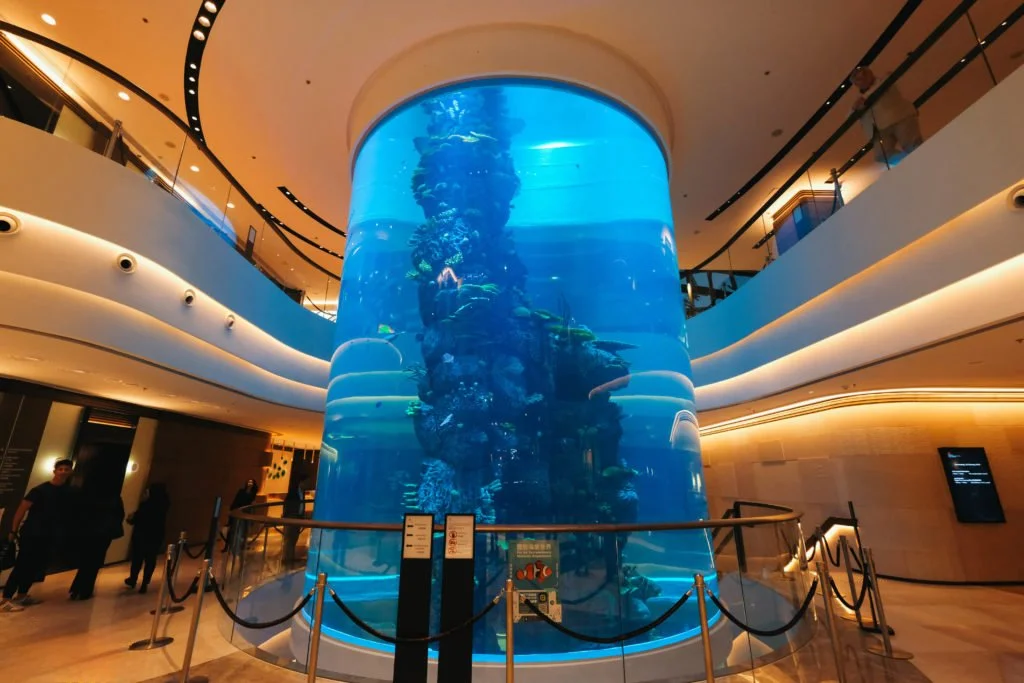
Example: At the Marriott Ocean Park Aquarium, a 17-meter-tall feature installation in Hong Kong, RedFin installed a multi-point monitoring system that allows for real-time observation and adjustments with on-call support ready 24/7.
Conclusion
Remote monitoring is reshaping the way aquariums are operated and maintained. It brings unmatched reliability, convenience, and efficiency while enabling a higher standard of care for aquatic life.
At RedFin, we don’t just build stunning aquarium features, we build systems that perform intelligently, support remote access, and integrate seamlessly with modern lifestyles and property operations.
For clients looking to invest in a high-value aquarium that delivers beauty with control, remote monitoring isn’t just the future, it’s already here.